Artificial intelligence and autonomous flight are changing how drones are used across construction, public safety, infrastructure, security, agriculture, logistics, and commercial aviation.
The future of drone operations will require more than manual flight skills. Drone professionals
will need to understand automated missions, intelligent aircraft systems, data collection,
operational oversight, safety procedures, and responsible decision-making.
Drone Operations
Artificial intelligence allows drones and supporting software to interpret information, recognize patterns, assist with navigation, and improve how missions are planned and completed.
AI does not eliminate the need for trained professionals. It changes the skills professionals need.
Human operators remain responsible for understanding the mission, supervising the aircraft, evaluating risk, following regulations, reviewing data, and making sound operational decisions.
Autonomous Flight
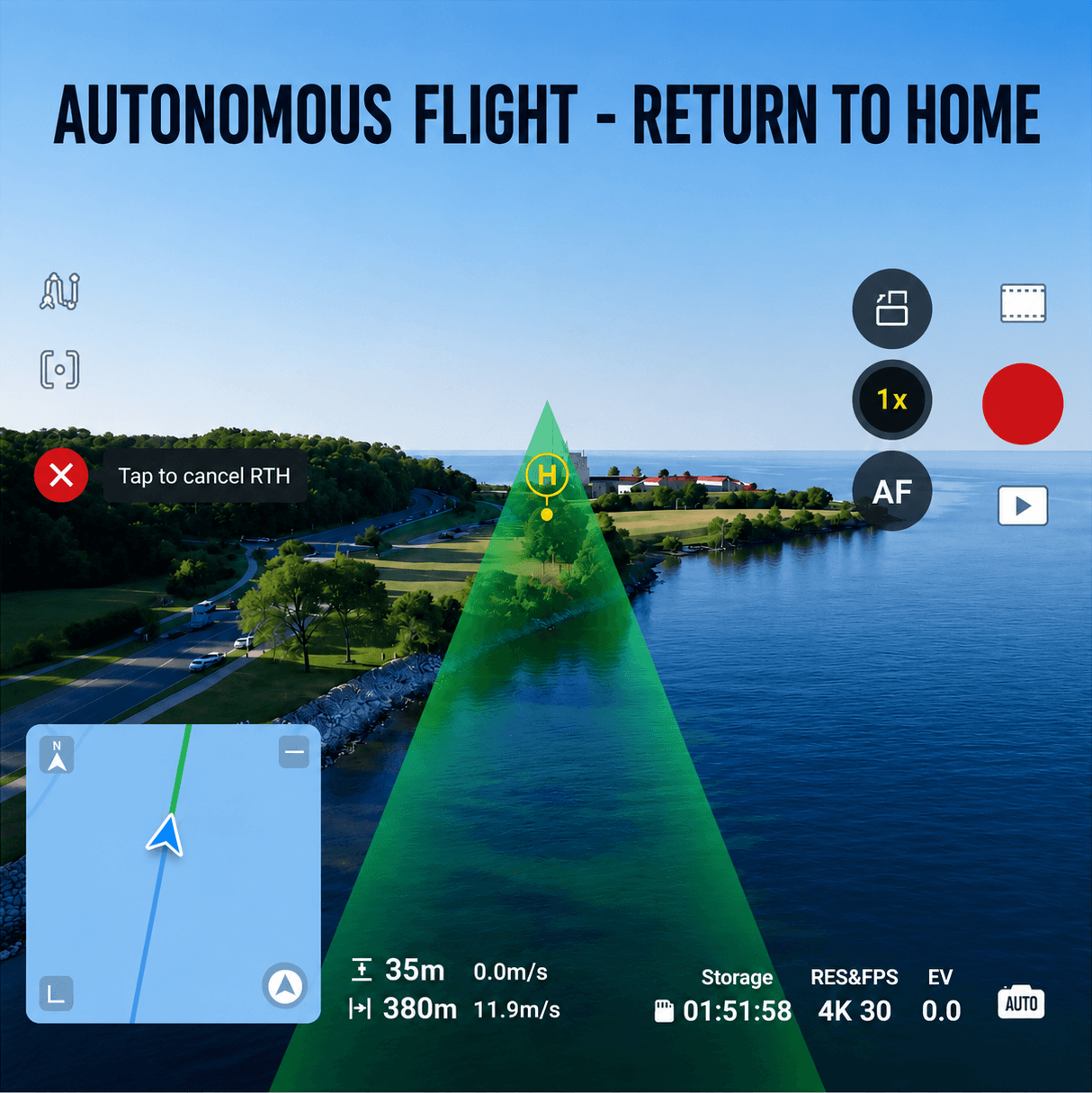
Autonomous flight refers to an aircraft’s ability to complete portions of a mission using preprogrammed instructions, sensors, navigation systems, and onboard software.
Autonomous does not mean unsupervised.
Commercial drone operations still require trained personnel who can plan missions, monitor aircraft performance, respond to changing conditions, manage data, and maintain safe operations.
Role Changing
Traditional drone training often focuses primarily on aircraft control. Manual flight remains important, but future drone professionals will also need to understand how to supervise technology.
Future Flight
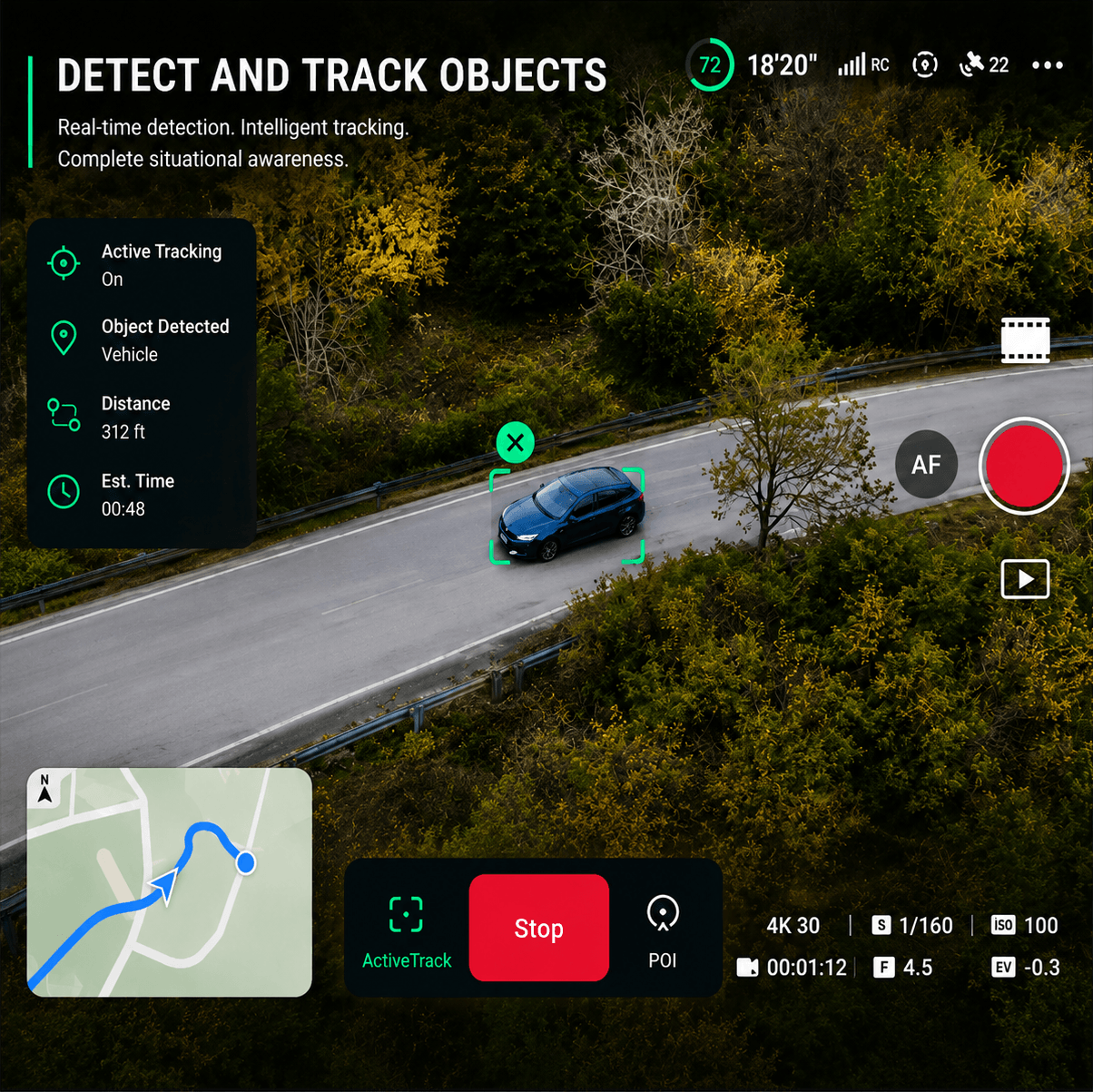
AI can assist with image recognition, data analysis, route planning, hazard identification, and operational decision support.
Computer vision helps aircraft and software interpret visual information collected by cameras and sensors.
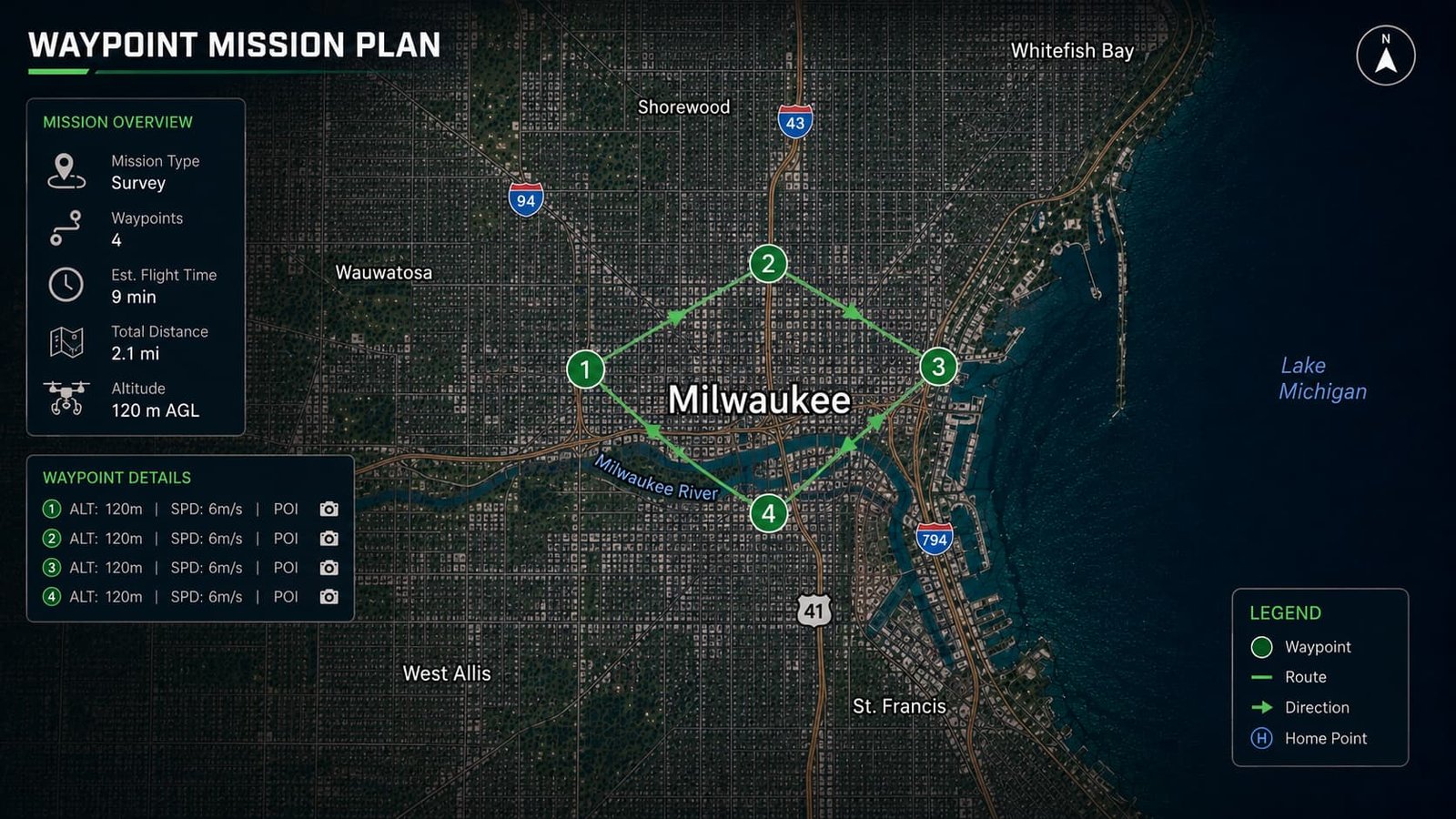
Operators can create repeatable routes for inspections, mapping, documentation, security patrols, and construction monitoring.
Docking stations can house, charge, launch, and receive drones for scheduled or remotely supervised missions.
Future operations may allow qualified organizations to conduct longer-distance missions under approved operating conditions and regulatory authority.
Organizations may manage multiple aircraft, pilots, batteries, maintenance schedules, mission records, and data systems through centralized platforms.
Emerging aviation systems may eventually include larger electric aircraft, autonomous cargo transportation, air taxis, and new forms of regional transportation.
Drones will increasingly work alongside ground robots, sensors, cameras, artificial intelligence platforms, and emergency-response systems.
Transformed
Automated flights can support project documentation, site monitoring, roof inspections, mapping, progress reporting, and safety assessments.
Drone technology can assist with emergency response, search operations, scene documentation, fire assessment, situational awareness, and disaster recovery.
Organizations can use drones to inspect roofs, bridges, towers, utility corridors, facilities, and other difficult-to-access assets.
Drones can support perimeter awareness, event monitoring, incident documentation, property patrols, and coordinated security operations.
Automated aircraft can assist with crop monitoring, field mapping, plant-health observations, and land-management decisions.
Drone delivery and automated transportation systems may support the movement of medical supplies, packages, equipment, and time-sensitive materials.
Property owners and facility managers can use repeatable drone missions to document conditions, monitor changes, and support maintenance planning.
Human Skills
As aircraft become more capable, trained operators become more important.
Technology cannot replace professional judgment, communication, accountability, or ethical decision-making.
The goal is not simply to operate a drone. The goal is to complete a safe, useful, and professionally managed mission.
Drone Academy
Students build confidence through hands-on aircraft control, orientation exercises, takeoffs, landings, maneuvering, and emergency response.
Participants learn how to define mission objectives, evaluate locations, identify risks, prepare equipment, and develop operational plans.
Students are introduced to waypoint missions, automated flight features, repeatable routes, intelligent aircraft systems, and operator supervision responsibilities.
Training connects drone technology to real workplace uses in inspections, security, construction, public safety, property management, and infrastructure.
Participants learn how to capture useful photographs, video, and mission information rather than simply flying without a defined purpose.
Students practice checklists, flight logs, incident documentation, maintenance records, and post-flight reporting.
Our programs emphasize safety, privacy, ethics, professionalism, regulatory awareness, and respect for the communities where drones are operated.
Individuals
Training
Organizations adopting drone technology need more than equipment.
They need trained personnel, clear procedures, responsible policies, mission-specific instruction, and a plan for long-term operations.
Artificial intelligence and autonomous systems are powerful tools, but technology should not replace foundational training.
Before supervising automated missions, operators should understand how aircraft behave, how to respond when systems fail, and how to make safe decisions when conditions change.
Smart Drone Academy teaches the fundamentals first and introduces advanced technology as part of a complete workforce-development pathway.
We prepare students to become capable operators—not passengers watching technology work.
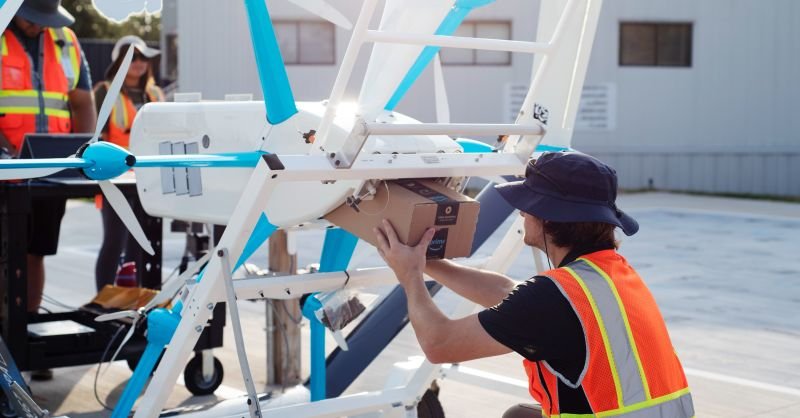
Future Workforce
The next generation of aviation will combine human judgment, artificial intelligence, robotics, automated aircraft, and advanced data systems.
Organizations will need professionals who can safely manage these technologies and use them to solve real operational problems.
Smart Drone Academy is preparing that workforce.
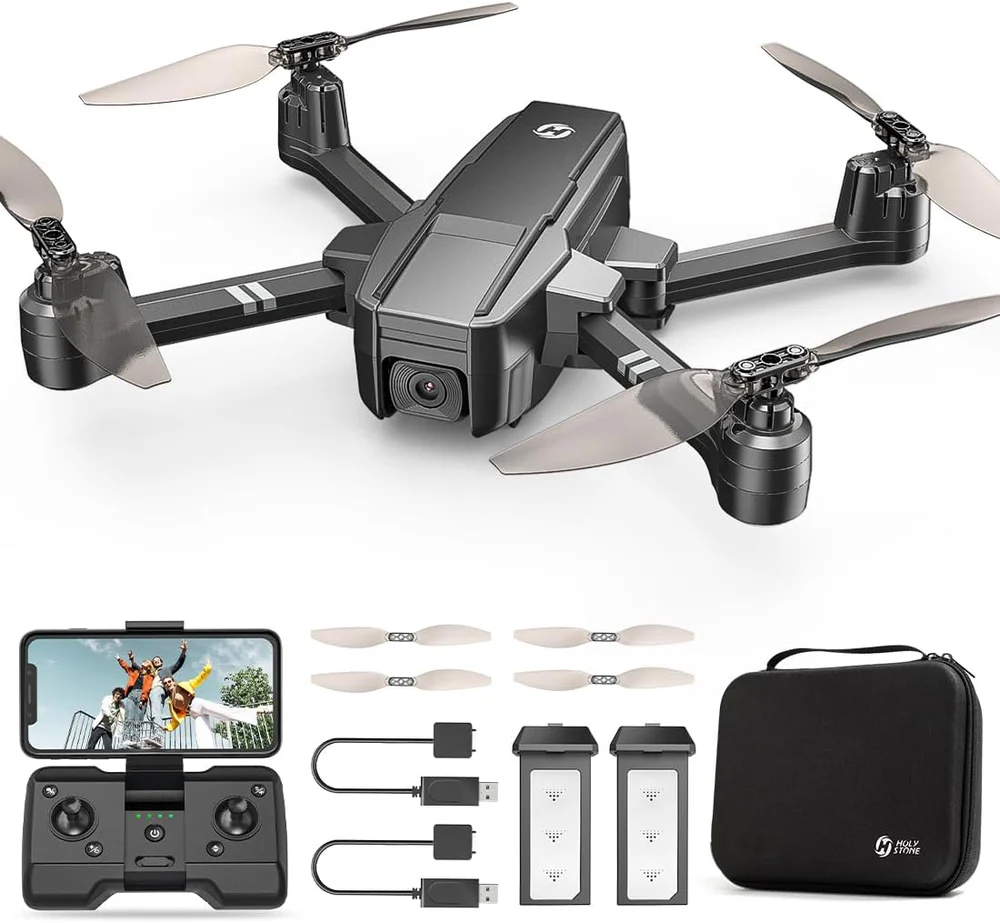

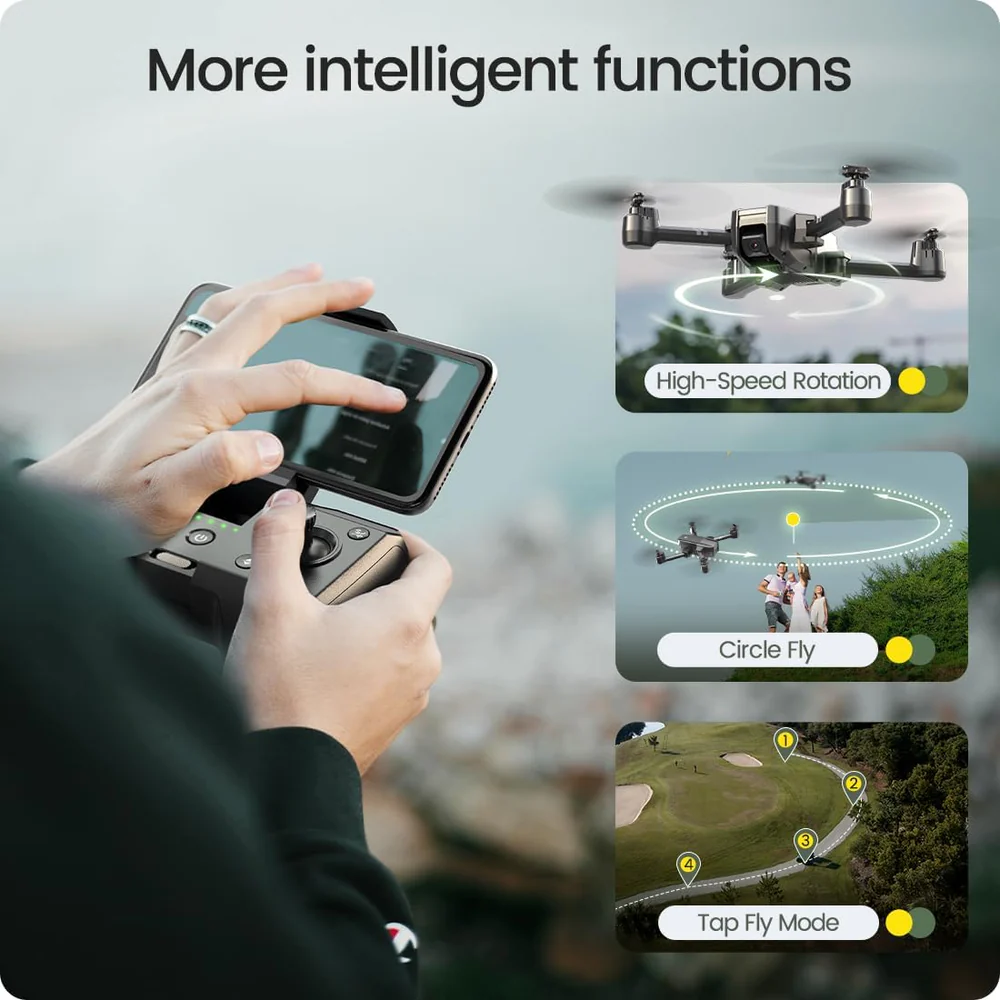
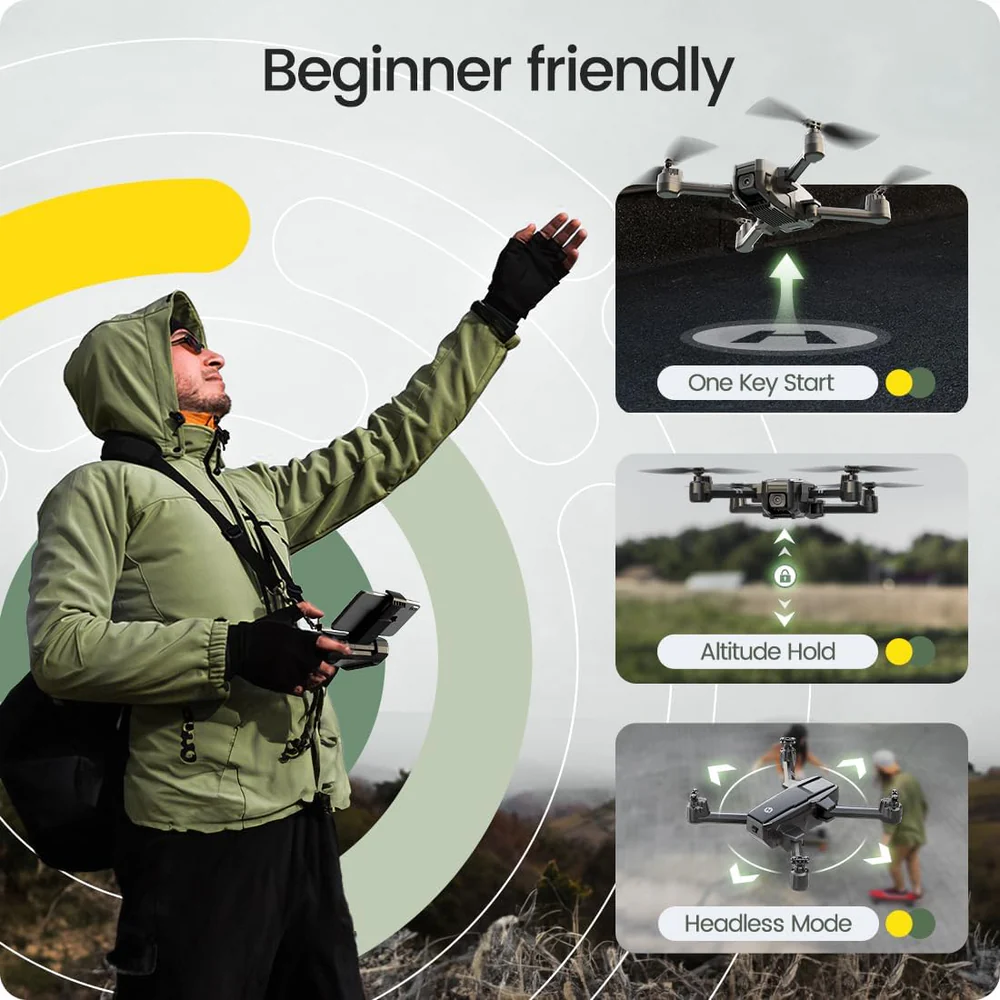
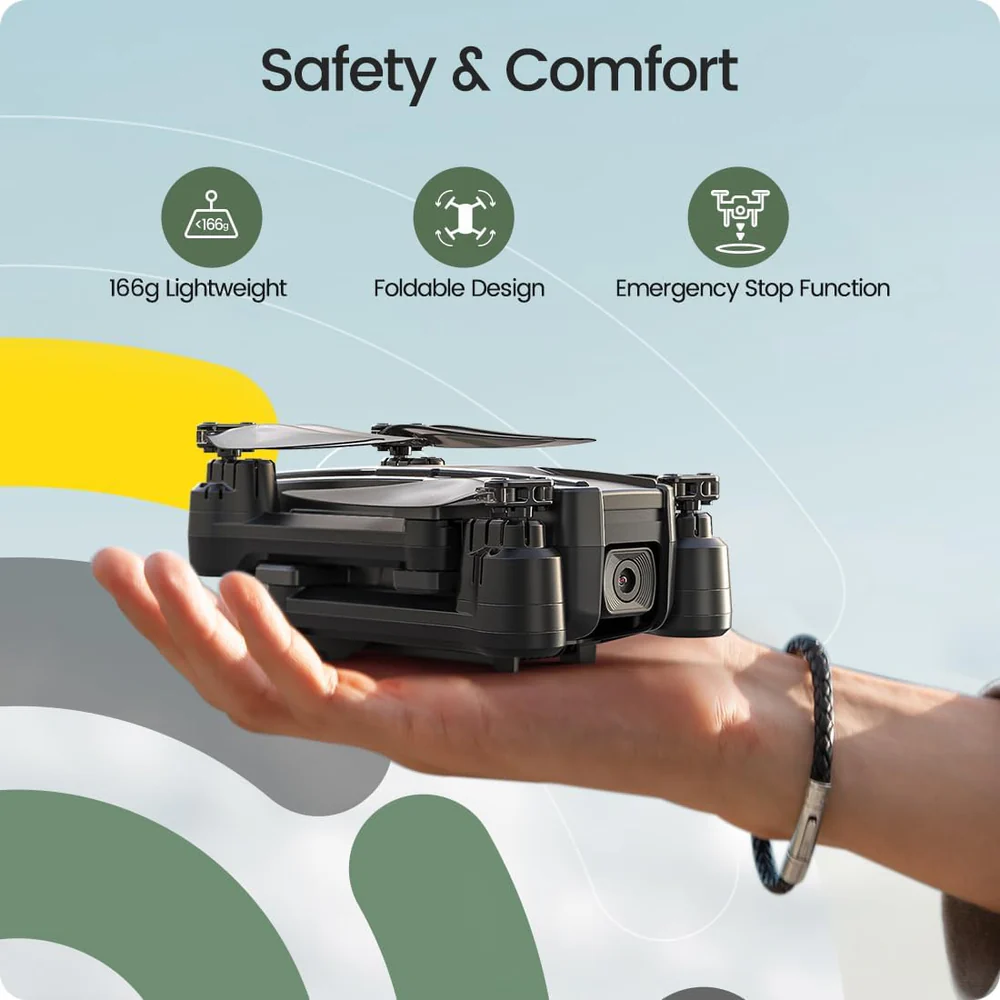
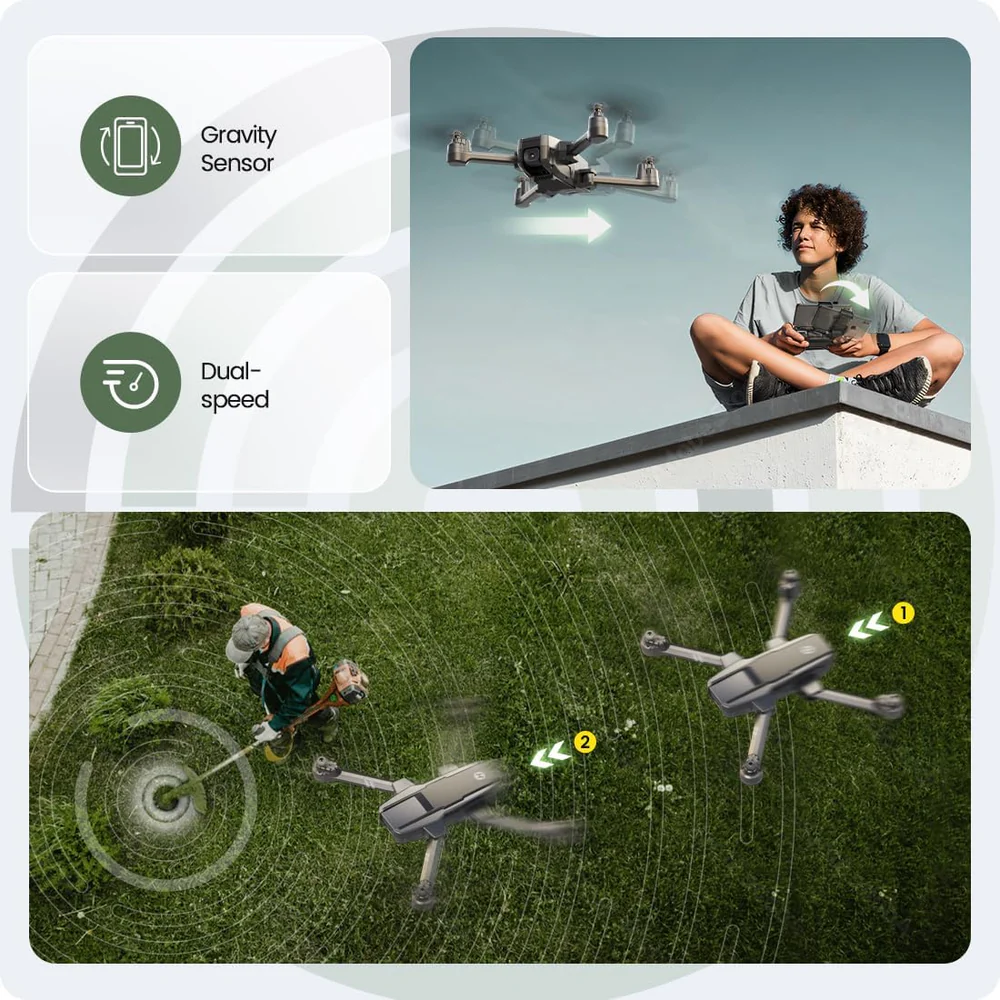
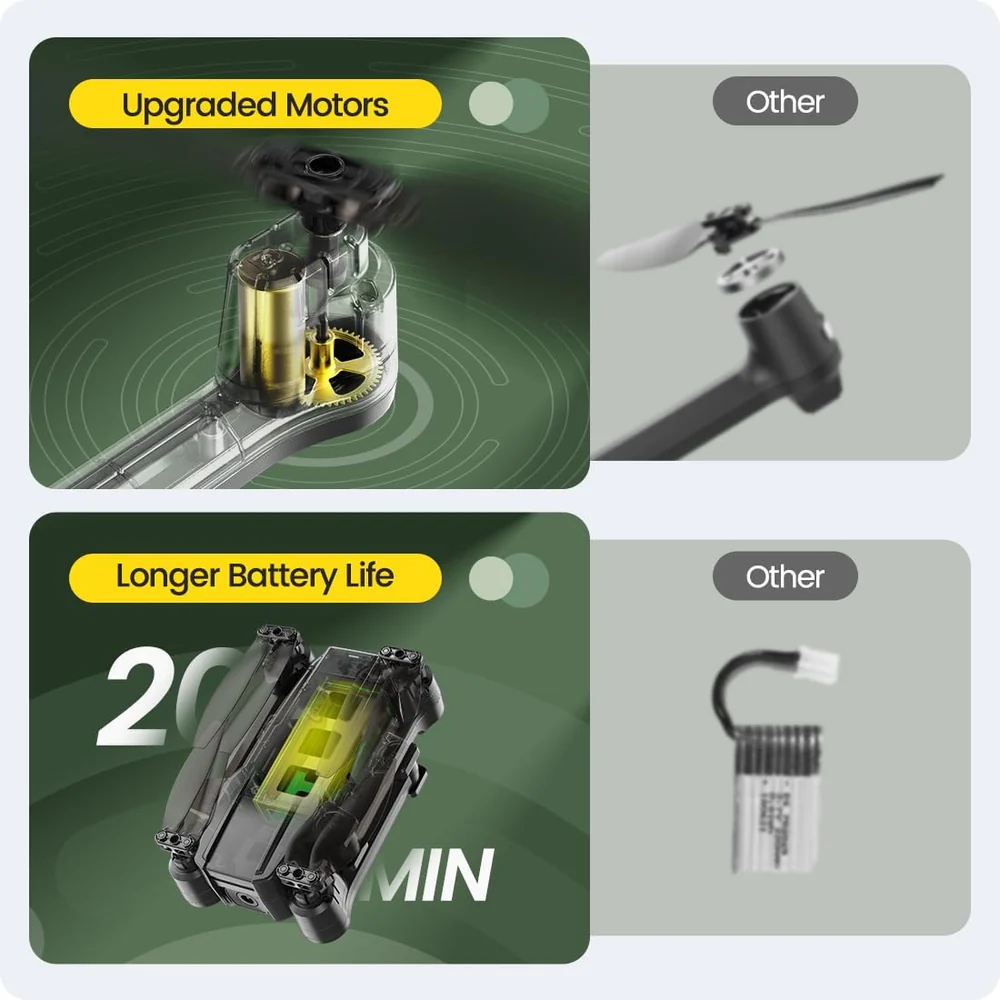
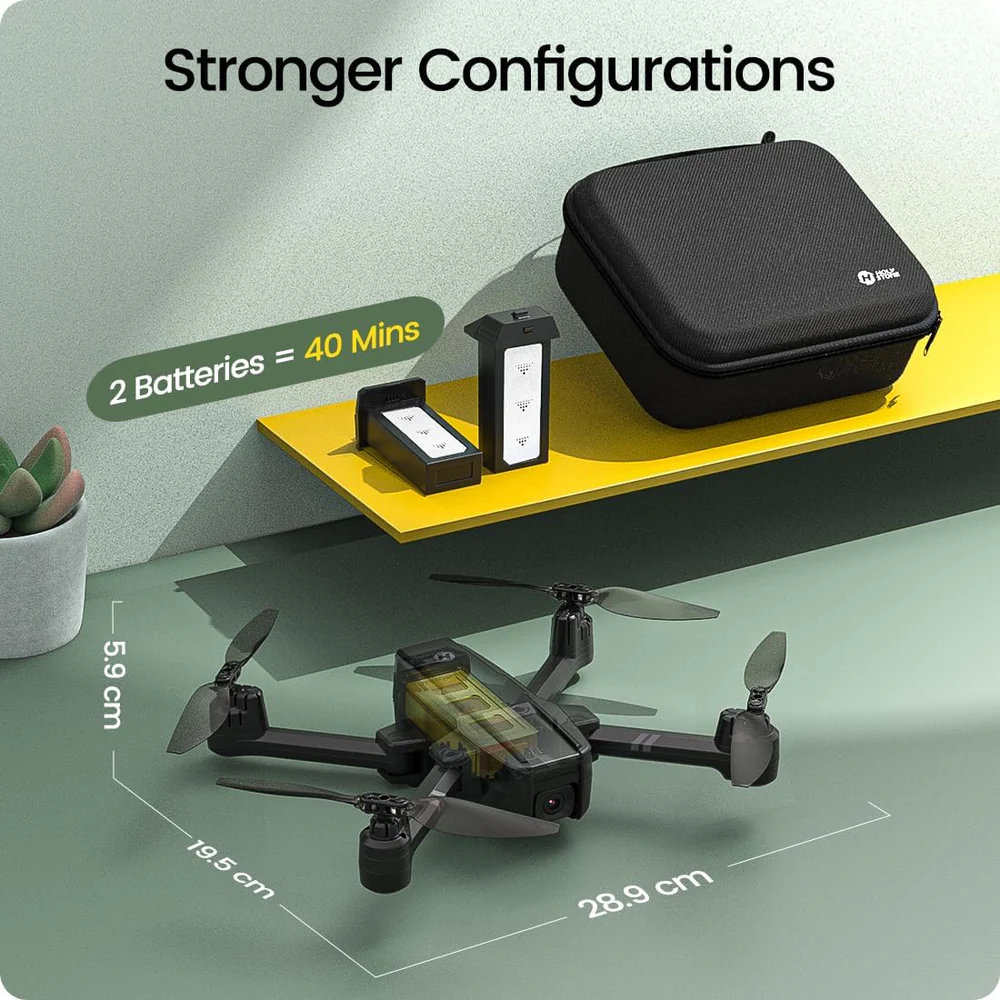
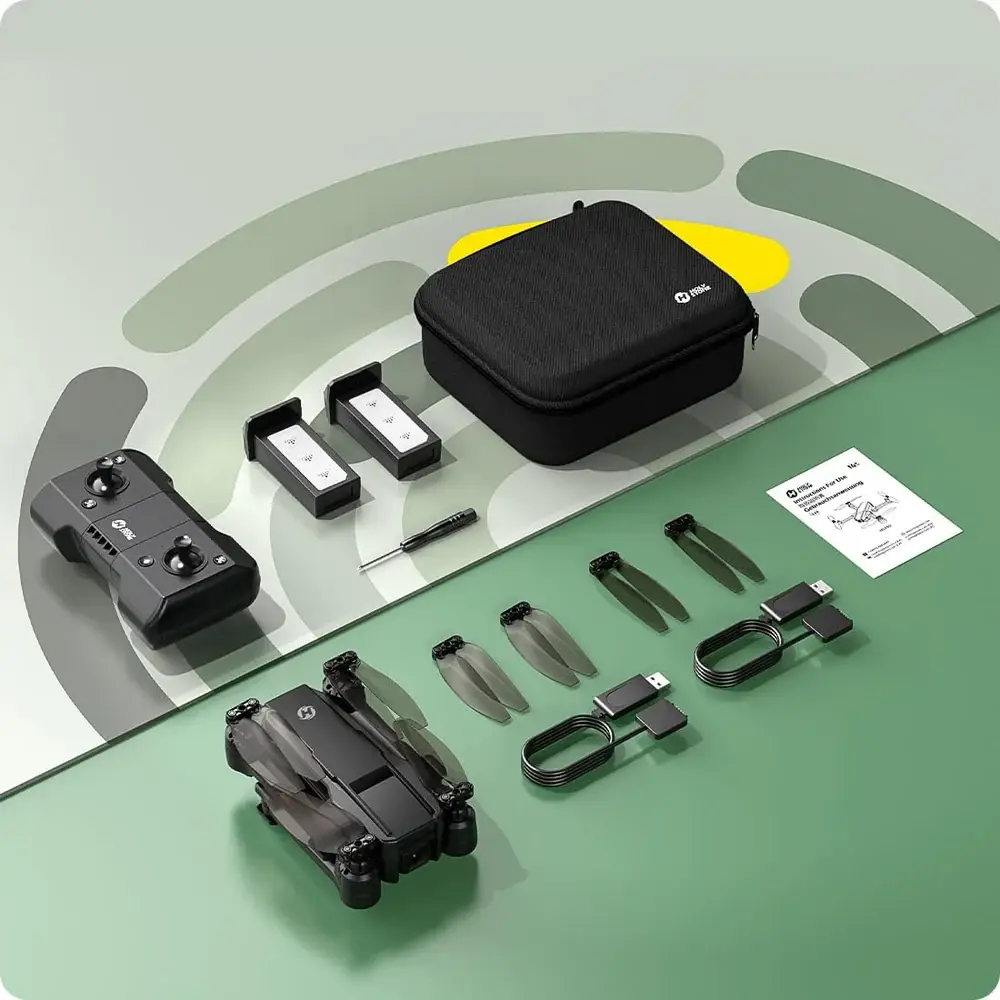
with 1080P HD Camera, Voice and Gesture Control, Headless Mode, Auto Hover, Gravity Sensor, Circle Fly, 2 Batteries for 40 Mins Flight
Brand: Holy Stone