
As we look ahead to 2025, drone technology is poised to undergo several exciting changes and advancements. Here are some key developments we can anticipate in the coming year:
Drones will increasingly utilize artificial intelligence (AI) for improved autonomy. This includes advanced obstacle detection, automated flight planning, and decision-making capabilities, allowing drones to operate in complex environments with minimal human intervention.
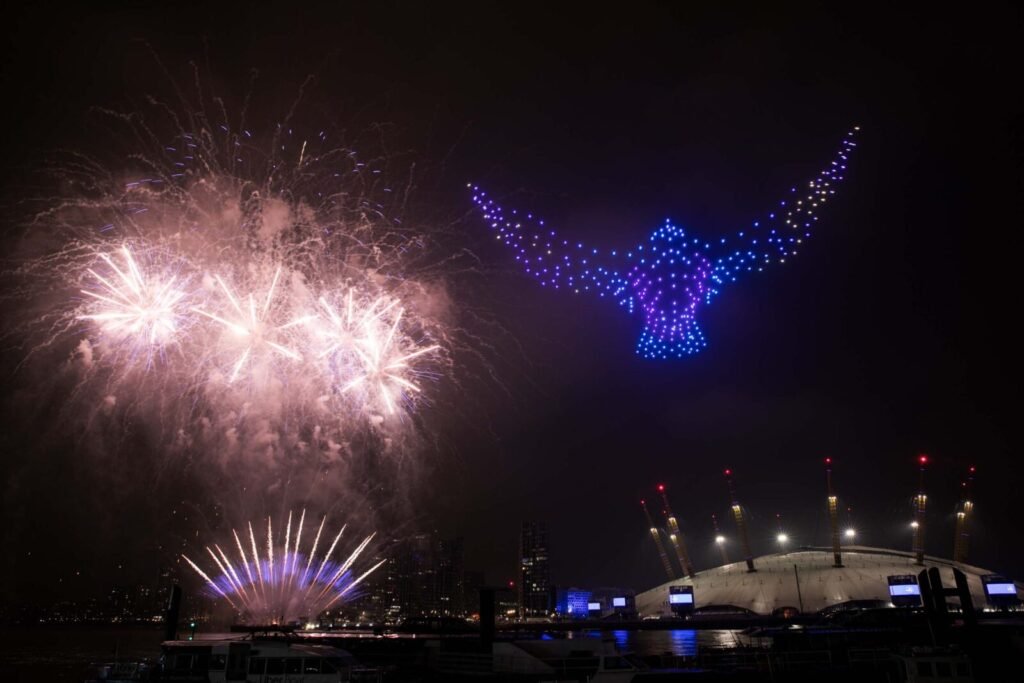
The concept of drone swarms, where multiple drones work together to perform tasks collaboratively, is expected to gain traction. This technology can be applied in various fields, such as agriculture for crop monitoring and in search and rescue operations, maximizing efficiency and coverage.
Advancements in battery technology, including the use of solid-state batteries, will lead to longer flight times and reduced charging times. This will expand the operational range of drones and enhance their utility in various applications.

As drone technology evolves, we can expect new regulatory frameworks to emerge, facilitating the integration of drones into national airspace. This may include streamlined processes for commercial drone operation and new guidelines for safety and privacy.
The concept of urban air mobility, involving passenger drones and air taxis, is set to make significant strides. By 2025, we may see the first pilot programs and demonstrations of electric vertical takeoff and landing (eVTOL) aircraft in urban environments.
Drone delivery services are likely to become more widespread, with companies expanding their use of drones for last-mile delivery. This will improve logistics efficiency for e-commerce and food delivery, making it a more common sight in urban areas.
Drones will play an increasingly vital role in remote sensing applications, including environmental monitoring, disaster response, and infrastructure inspection. Enhanced sensors and data analytics capabilities will enable more accurate and timely data collection.
Drones will become integral to the Internet of Things (IoT) ecosystem, providing real-time data to smart city initiatives. This integration will enhance traffic management, emergency response, and urban planning through improved data collection and analysis.
As drone usage increases, advancements in safety protocols, anti-collision systems, and cybersecurity measures will be crucial. Expect to see new technologies aimed at preventing unauthorized access and ensuring safe operation in crowded environments.
With the growing demand for skilled drone operators, educational institutions and training programs will expand, offering more comprehensive courses in drone operation, safety, and maintenance. This will help prepare the next generation of drone professionals.
The landscape of drone technology and operation in 2025 promises to be dynamic and transformative. With advancements in AI, battery technology, and regulatory frameworks, drones will become more capable, versatile, and integrated into various industries. As we approach this exciting future, the potential applications of drone technology continue to expand, paving the way for innovative solutions to modern challenges.
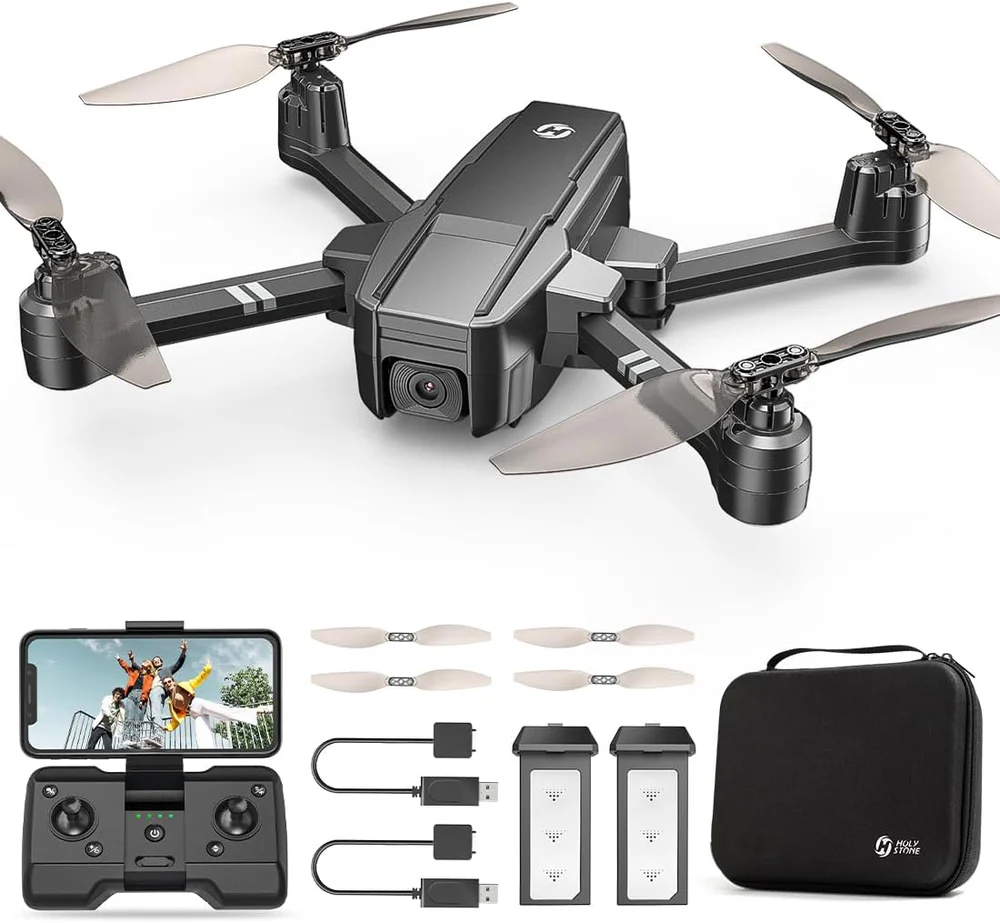

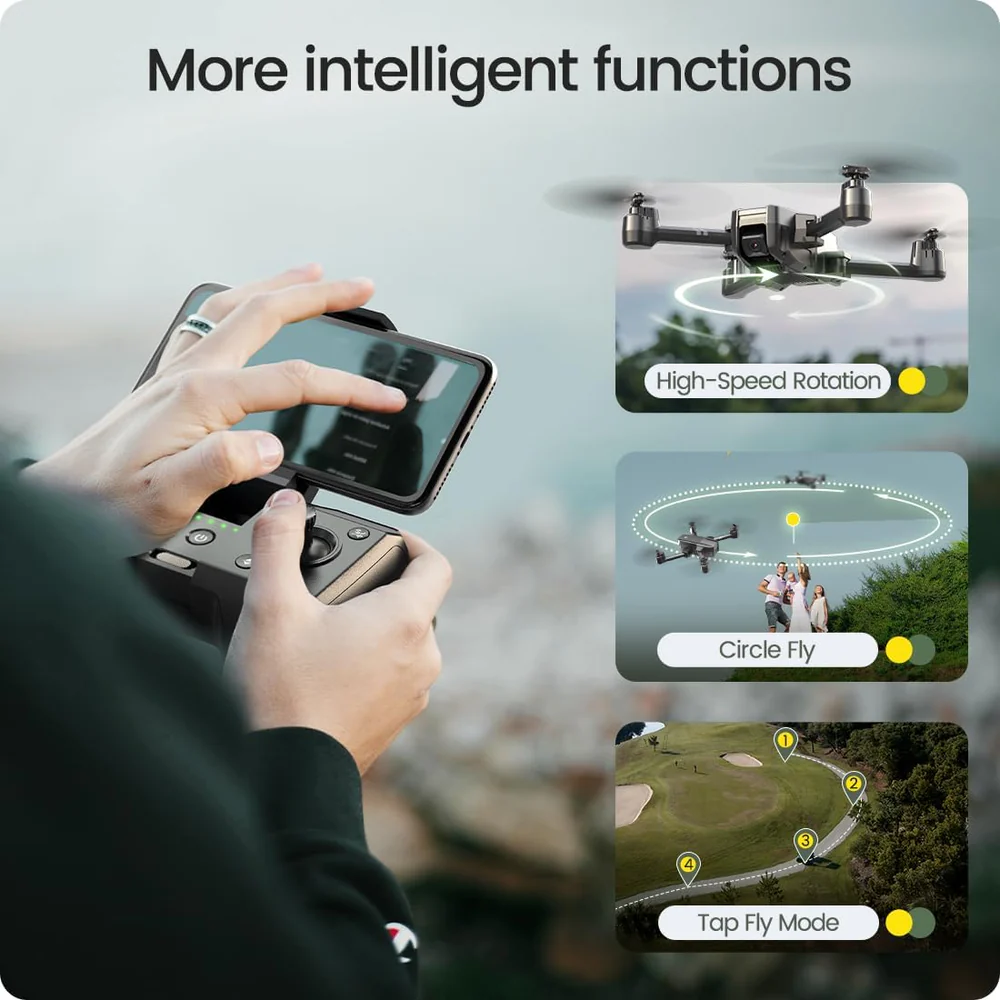
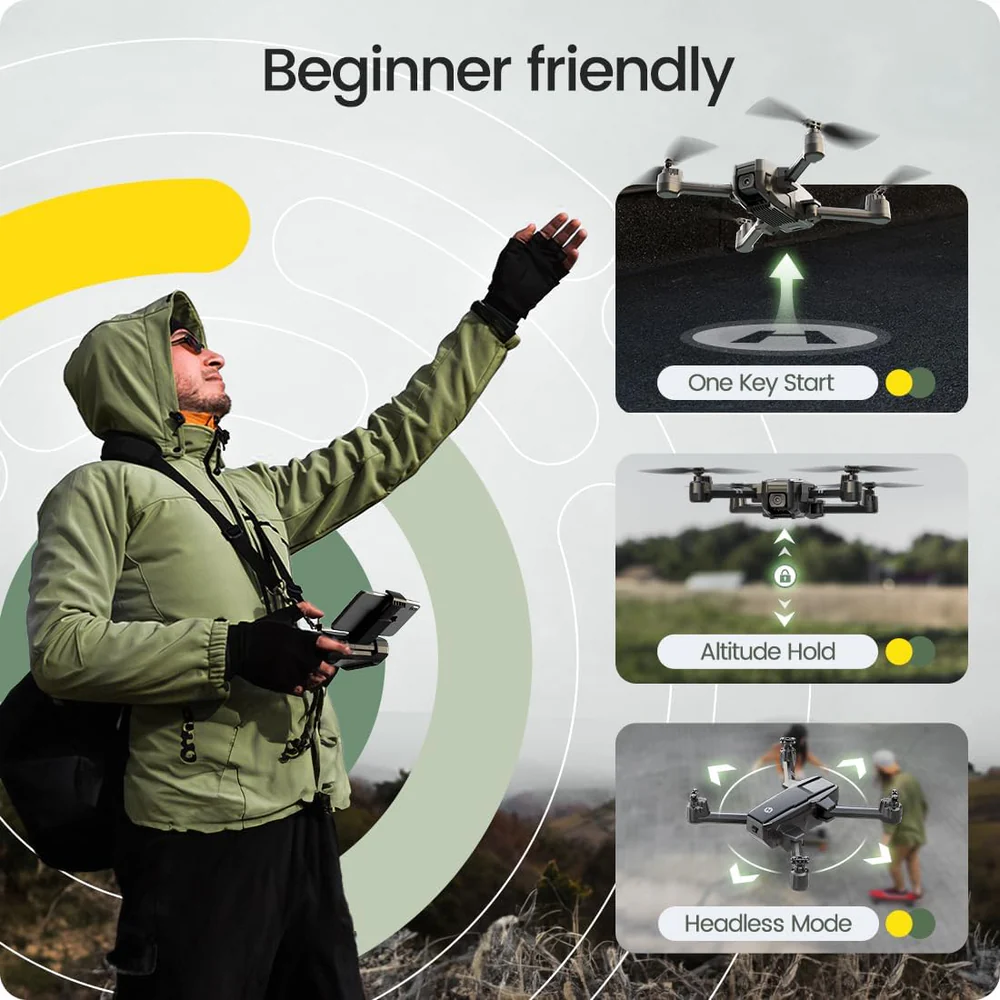
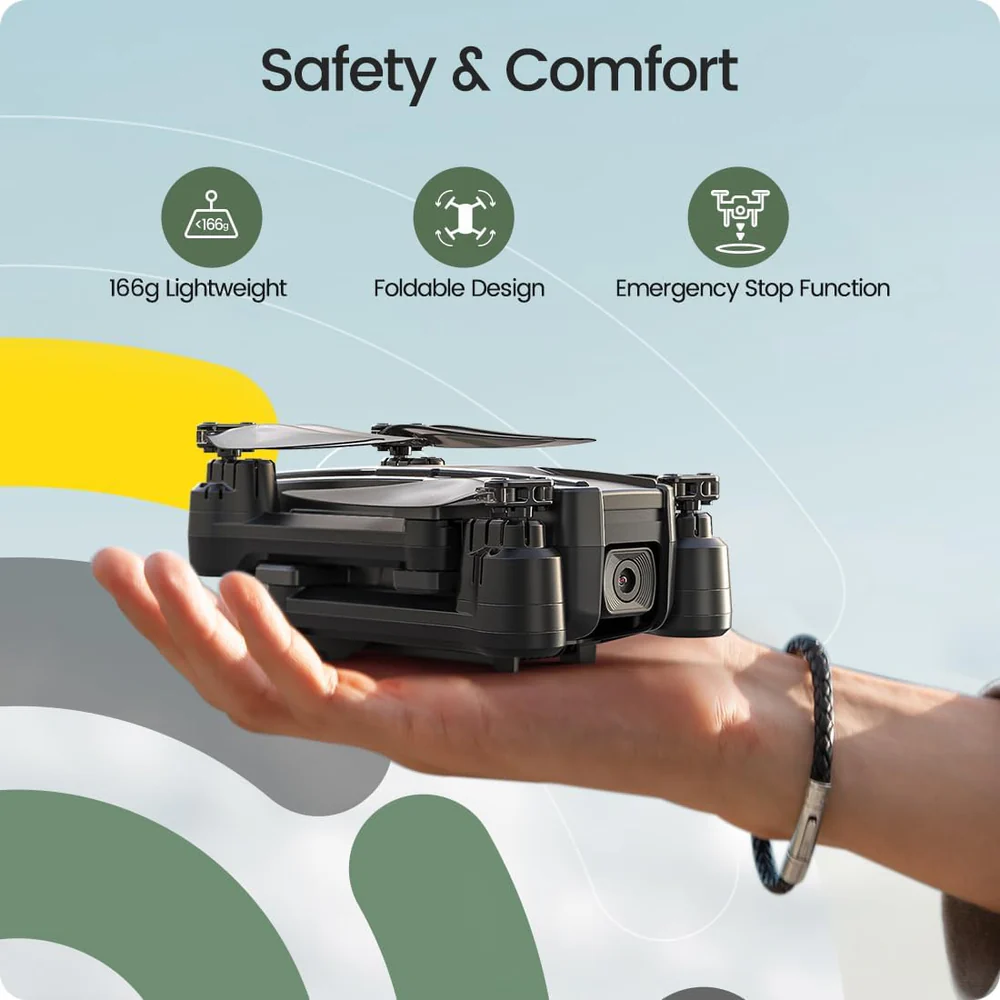
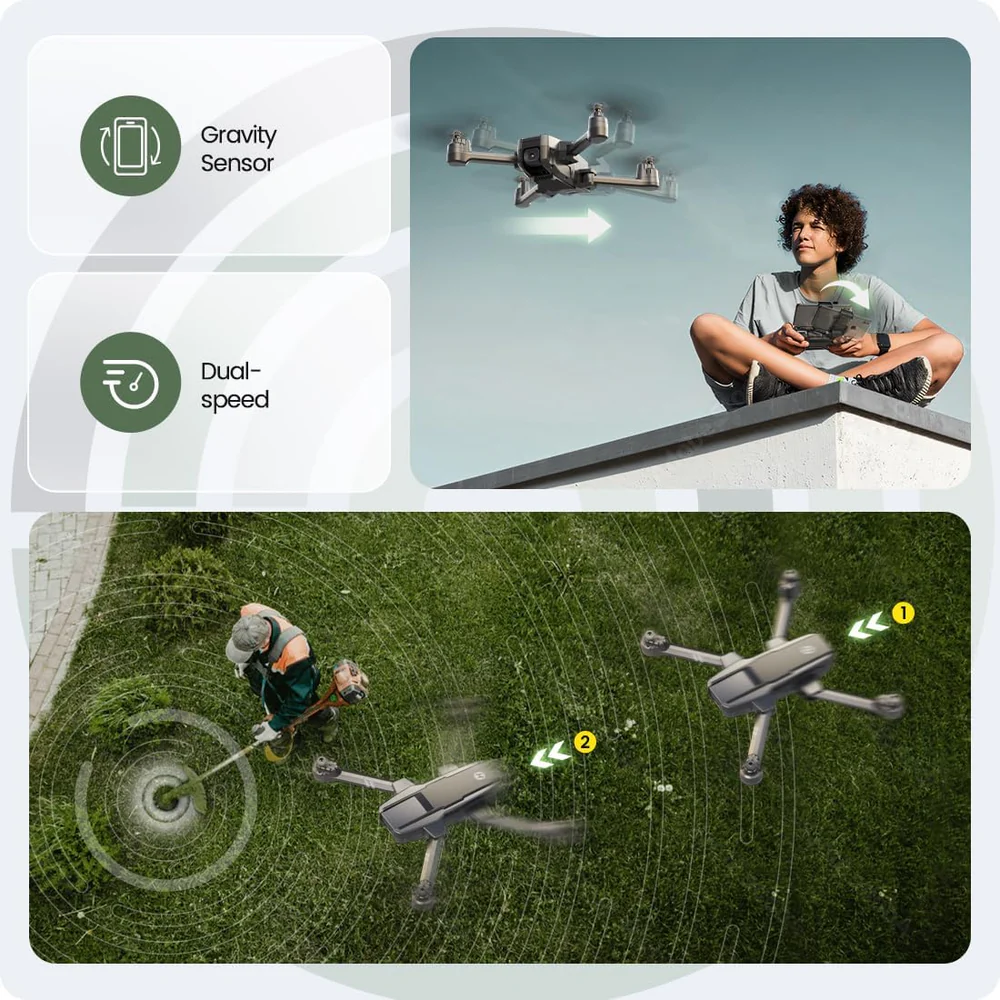
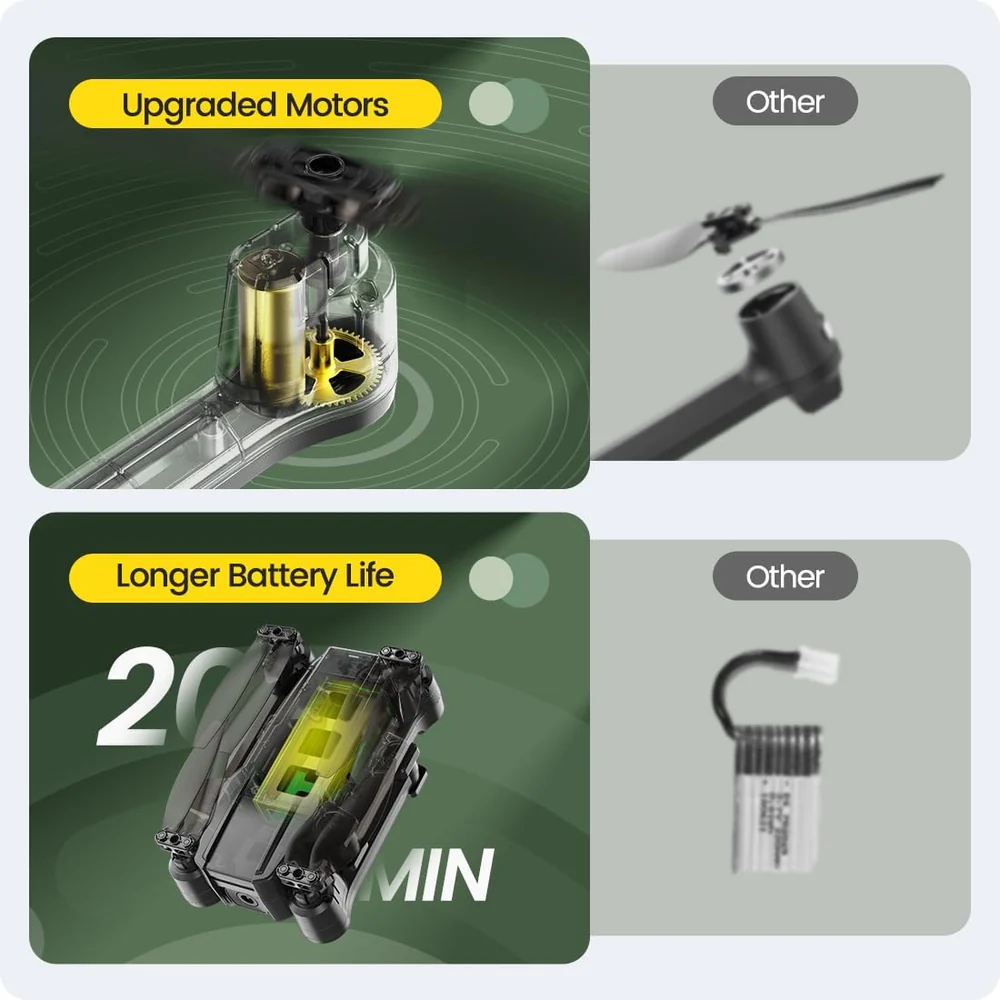
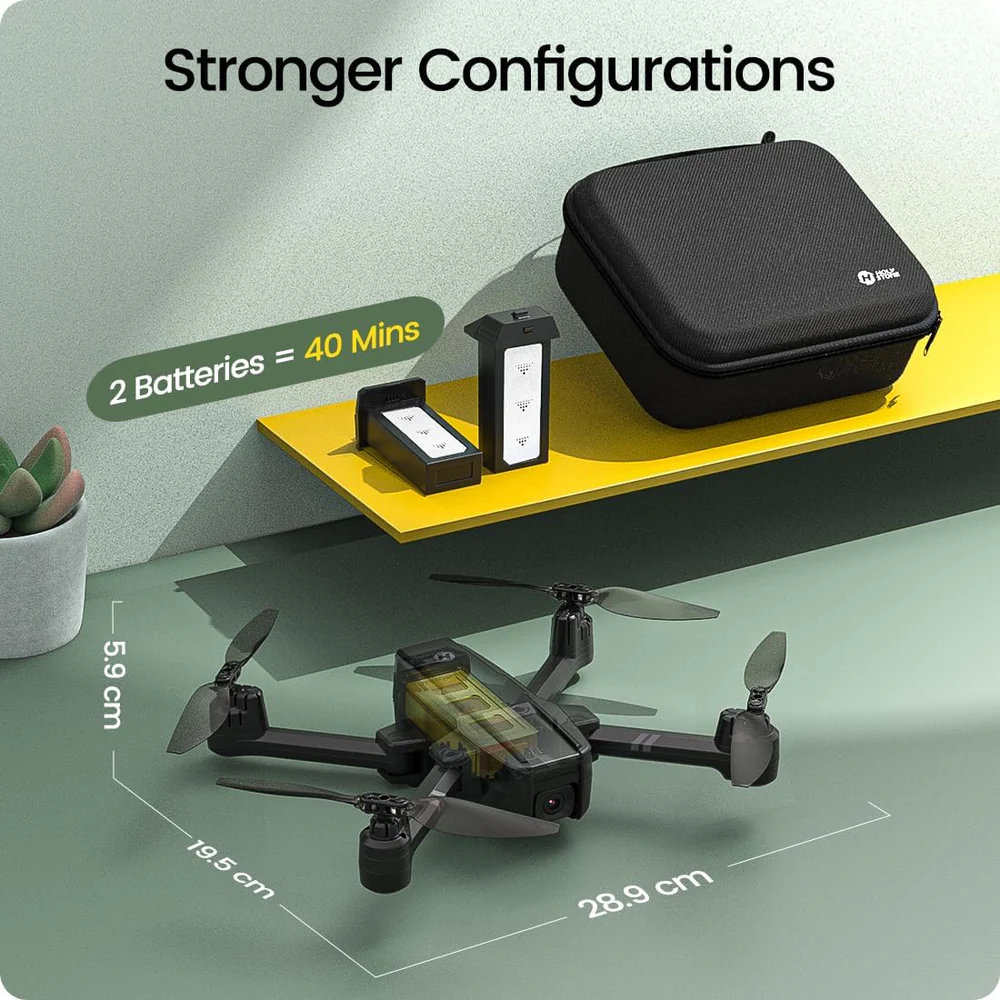
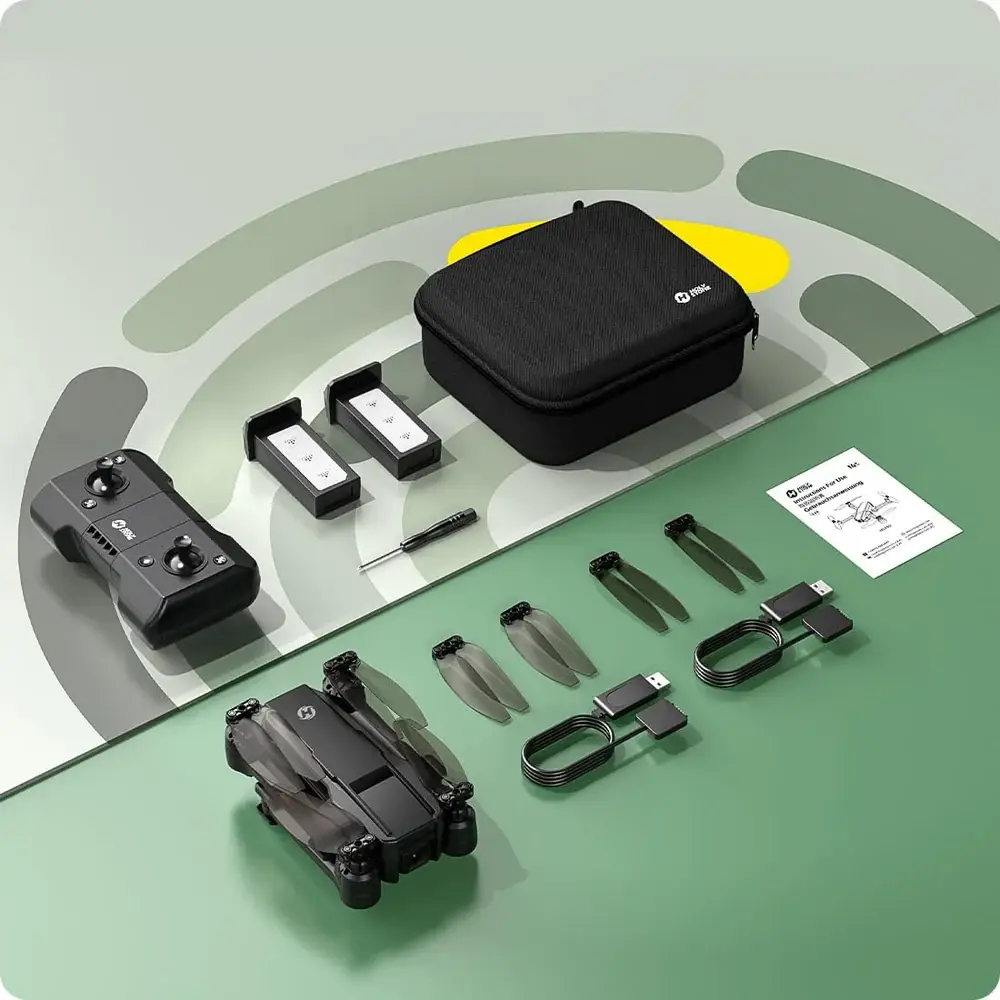
with 1080P HD Camera, Voice and Gesture Control, Headless Mode, Auto Hover, Gravity Sensor, Circle Fly, 2 Batteries for 40 Mins Flight
Brand: Holy Stone